
An assistance system is a technical, often fully automated solution that supports machine operators in carrying out their logistical tasks. It can provide important information and support, as well as intervene fully automatically where necessary. Increasingly based on artificial intelligence, these systems enhance safety and boost productivity in everyday handling operations.
Digital helpers are everywhere. Drivers know them well: there is a beep when reversing, a beep when moving forwards, and if we ignore it – because the threshold for triggering the warning is set quite low – the on-board computer may even initiate emergency braking. It can be irritating. On the other hand, adaptive cornering lights, adaptive cruise control and many other assistance systems are genuine improvements.
Industrial trucks have long been equipped with a wide range of digital assistance systems. In practice, legal requirements vary depending on the country, the industry and the application. As with any new business investment, it is important to determine what is necessary, useful and productive – and what is not.
For example: The owner of a small company employs three forklift drivers and has three forklifts. When buying a new truck, he chooses a model with PIN-code access because all individual seat and steering-wheel settings are saved and automatically adjusted for each driver. This means he no longer needs to set everything manually. However, he hardly ever drives a forklift himself, and his three drivers do not normally swap machines during day-to-day operations. From an economic perspective it is not essential, but it is a nice extra. Profitability is not always the only thing that matters.
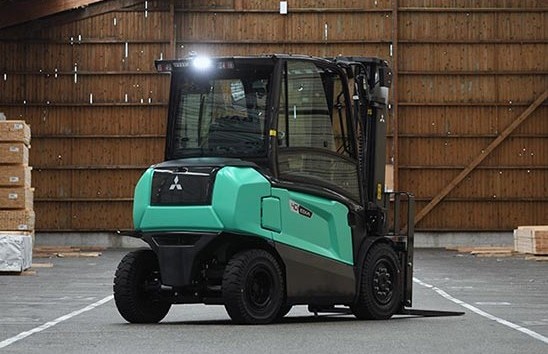
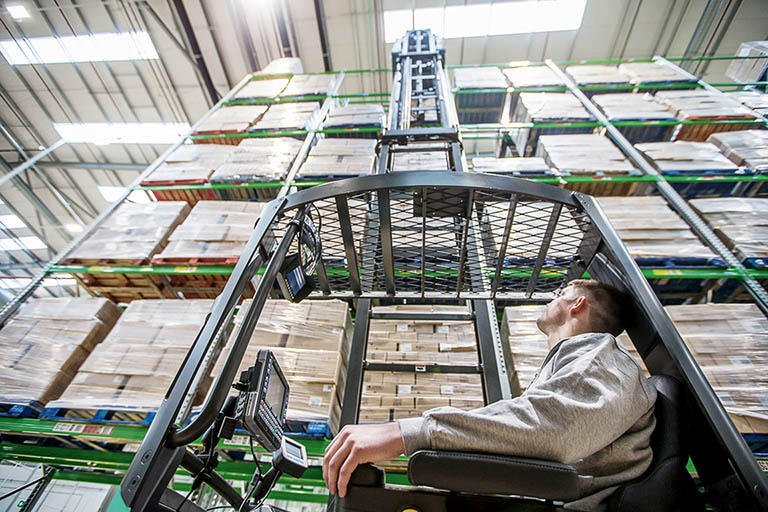
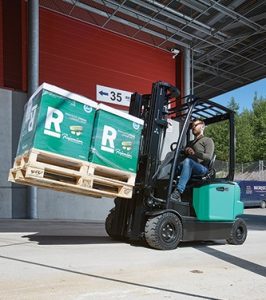
Assistance systems improve safety, reduce damage and increase productivity. In principle, all forklift trucks should be equipped with load monitoring, visual detection and obstacle-detection systems. Extravagant hardware or software without clear benefit should be avoided.
Despite these technological aids, the operator remains responsible: assistance systems do not replace daily visual inspections and do not absolve anyone – neither warehouse managers nor drivers – from their responsibility for the safety of people and goods in everyday operations.
Looking for devices?
Don’t want to miss anything?

Country Manager Spain
+49 941-942794-24